Knowledge
Petronas Mono Ethanol Amine: Powering Industry Through Trust and Progress
A Legacy Rooted in Innovation
Mono Ethanol Amine, often called MEA, sits at the center of many industrial operations across sectors like oil and gas, textiles, pharmaceuticals, and cleaning products. The journey of Petronas in crafting its own brand began decades back, right around the time Malaysia stood up as a global energy hub. In those early years, companies tended to import most specialty chemicals, leaving the country tied to unpredictable supply chains and shifting prices. Petronas saw an opportunity and stepped forward. With deep roots in petroleum refining and natural gas, the company began channeling that experience into petrochemicals, and MEA became one of the flagship molecules. This came from understanding that local industries craved reliability and consistent quality, a lesson that usually stems from missing out rather than getting it right straight away.
Evolution Built on Practical Needs
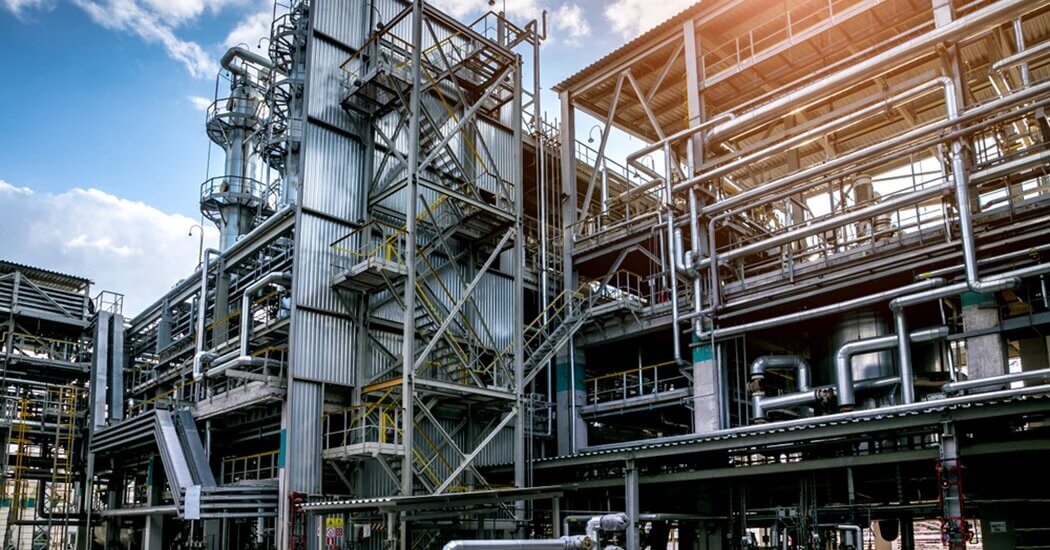
From the start, development of Petronas Mono Ethanol Amine matched the company’s methodical approach: build up skills, invest in local talent, and constantly refine processes. The production facilities for MEA now use advanced engineering to balance efficiency with safety. In each step, workers draw not only from textbooks, but also hands-on learning passed down the line. With each plant expansion, Petronas expanded its workforce and brought in deeper technical knowledge to fine-tune reaction controls and quality checks. Over time, the MEA produced by Petronas earned a reputation among customers not just for purity, but for performance in tough industrial settings, where equipment fouling or trace impurities can halt production and cost millions. The experience extends far beyond just molecules in barrels; it touches everyone involved from technical sales reps to logistics crews ensuring on-time deliveries through Malaysia’s variable weather and bustling export terminals.
Applications That Touch Everyday Life
Mono Ethanol Amine from Petronas quietly supports so many areas most people overlook. In natural gas processing, it captures unwanted carbon dioxide and hydrogen sulfide, allowing energy companies to unlock cleaner energy. I’ve seen firsthand how MEA quality determines not just regulatory compliance but smooth operations at refineries. In textiles, skilled workers use MEA for dyeing and treating fabrics, achieving colors that pop and last through countless washes. In the fast-growing cleaning products industry, MEA forms the backbone of effective, safe liquid soaps and detergents, ensuring families get reliable, safe products. Each shipment from Petronas means less guesswork for managers in these industries—they know the backing comes from years of local research and transparent customer support.
Caring for People and Planet
Safety and environmental care anchor Petronas’ operations. In MEA production, strict monitoring and investments in emissions controls have become the norm. That commitment shows up regularly during plant audits and certification renewals. Workers step into facilities where modern controls automate dangerous steps, reducing exposure risks and building a culture where speaking up about potential hazards gets immediate attention, not ignored or brushed aside. In terms of the bigger environmental picture, MEA enables industries to lower their greenhouse gas emissions by scrubbing pollutants from industrial gas streams, turning what could be a liability into a manageable, even beneficial, output. Petronas spends real time and money partnering with industry groups and regulators to keep pushing for even tighter standards, because staff have families living near these plants as well. Everyone stays invested in making the local environment safer for future generations.
Meeting Challenges Through Collaboration and Learning
Downsides hit everyone in this business from time to time. Feedstock prices shift, regulatory bar rises, and shipping disruptions can force creative problem-solving. Petronas stays effective by keeping engineers, traders, and supply chain experts talking regularly. Instead of siloed teams, there’s a shared drive to swap lessons learned, whether from a shipping delay in Johor or a new analytical method that improved purity checks in Kerteh. I’ve seen this energy spill into supplier meetings where they work shoulder-to-shoulder with local and global partners to hunt down bottlenecks and tackle new sustainability targets. This creates a unique environment—no one person carries the whole load, and experience gets passed forward every day. Petronas’ willingness to train young technical staff and take feedback from customers, even when that feedback means facing tough facts about mistakes or missed goals, fuels their resilience.
Looking Ahead: Investing in Reliability
Customers rightfully expect more as industries turn to digital tools and greener operations. To stay ahead, Petronas pours investment into updating both technology and the way teams interact with buyers. There’s an integrated support network, so if a downstream plant hits an operational snag, technical experts from Petronas can step in. Adoption of real-time data tracking and digital twins speeds up troubleshooting, reducing costly downtime. By anchoring new development on proven experience and a genuine respect for customer input, Petronas keeps its Mono Ethanol Amine trusted by plant managers, formulation chemists, and equipment engineers. They don’t just rely on the past; every year brings new partnerships with research centers, helping shape both the molecule and its impact on the industries we all rely on.
Responsible Growth for Real Impact
Petronas Mono Ethanol Amine reflects a commitment to building more than just a chemical business. It represents thousands of hours honing techniques, learning from challenges, and meeting users face-to-face. Each delivery supports not just industry, but jobs, families, and a shared responsibility for safety and sustainability. As demand keeps growing and industries face tougher challenges, experience drawn from both global best practice and local commitment will keep this brand a steady, trusted partner. Everyone deserves cleaner air, safer workplaces, and a shot at prosperity—brands like this, and the people who build them, have a direct hand in making it happen.


